
Treated seed is the default for planted soybean (60-80%) and especially corn (close to 100%) acres across the US. While there are certainly advantages to some seed treatments, especially fungicidal treatments for early planted soybeans, others like insecticidal seed treatments can have a negative effect on the beneficial insects–aka good bugs–that prey on major pests […]
Good Bugs and Planting Naked Seed
State: Wisconsin
Grazing Cover Crops Interseeded into 60″ Row Corn
Whereas most grain farmers with a livestock grow crops to feed their cattle, Jeff Gaska a farmer between Beaver Dam and Columbus in Dodge County is trying to grow his cattle to feed his crops. One of the ways he is moving towards this goal is by grazing cover crops interseeded into 60″ row corn. […]
A Farmer’s Take on the Dollars and Sense of Conservation Agriculture
Much time has been spent on the environmental benefits of conservation agriculture. But, do practices like reduced tillage and cover crops pencil out for farmers, and how do we figure that out? In the second episode on the economics of conservation, we talk with Jake Kaderly, who works as a crop consultant under the name […]
The Power of Field Buffer Strips
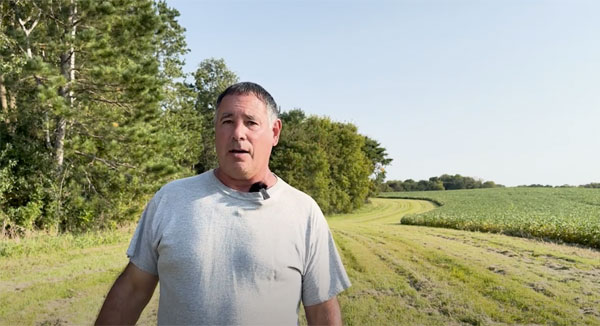
Discover how field buffer strips help farmers reduce sediment runoff while improving land productivity and protecting water quality. This video highlights the profitability and effectiveness of buffer strips, featuring real-world data, expert insights, and firsthand farmer testimonials. Wisconsin farmer Dennis Mitchell shares about the field buffer strips he installed on his operation. See how these […]
Field Border Installation: How and Why It Works
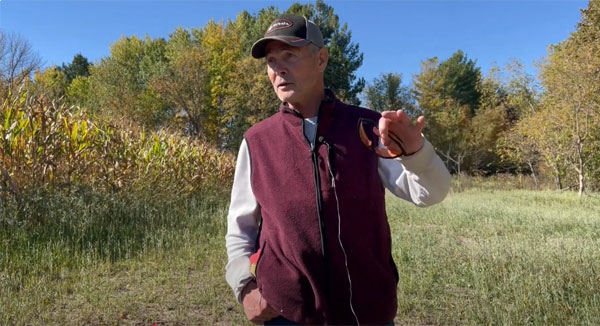
Wisconsin landowner Dennis Ireland, in Pierce County, repaired a gully at the edge of his field and planted grasses to stabilize the soil. As a result, he’s experienced significantly less erosion, can now access the site with equipment, and is helping protect local waterways. Learn more about the process and benefits of installing a field […]
Establishing a prairie strip
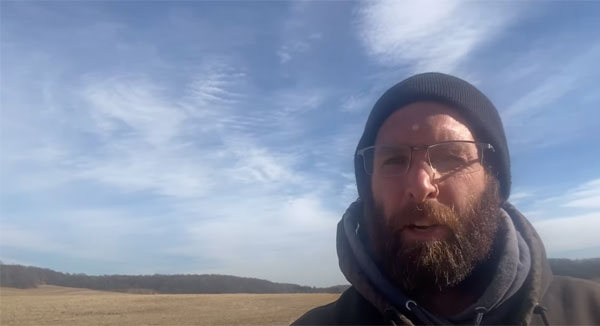
Protecting our water channels by installing a prairie buffer strip along a creek. As these take years to fully get established, we can’t wait to see the end result. Funding from One Good Idea, seed from the Bee and Butterfly Fund, and design and establishment from the Sand County Foundation. Darren was a recipient of […]
The Colby Project – Results From Burn/Spray 2024
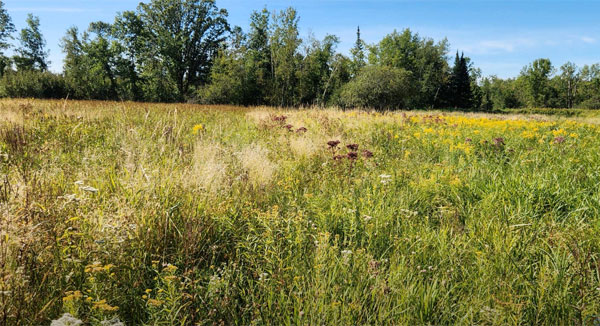
An independent agriculture retailer (Short Lane Ag Supply), community-led watershed group (EPPIC), and Pheasants Forever teamed up to establish edge-of-field conservation practices to reduce nutrient discharge and soil run-off into the surface waters. Watch as the team transforms the sea of reed canary grass and acres of low performing crop acres into vegetative buffers, enhanced […]
Our Soil is Our Strength with Nancy Kavazanjian

Nancy Kavazanjian and her husband Charlie Hammer farm in the south central part of Wisconsin where they grow corn, soybeans and wheat in rotation. Over the years they have been innovators in no-till and strip till farming, and were the first in their area to regularly use cover crops. We’ll talk about her farm and […]
Wildlife Habitat Restoration Transformation
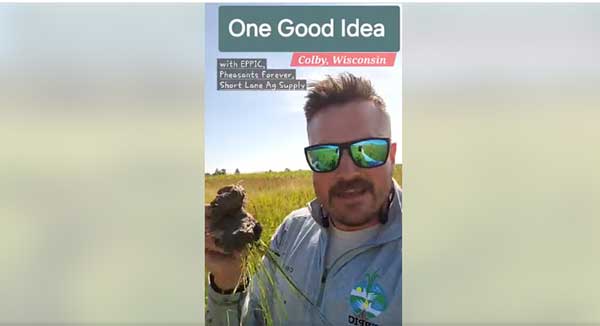
One of our Good Idea Mini-Grant recipient teams – consisting of farmer Larry Oehmichen, the Eau Pleine Partnership for Integrated Conservation, ShortLane Ag Supply, and Pheasants Forever – shows off their progress with their wildlife habitat restoration, which is combatting reed canary grass, an invasive species in Wisconsin, and bringing back native prairie plants. Learn […]
GROW Farmer Forum on Cover Crop Termination
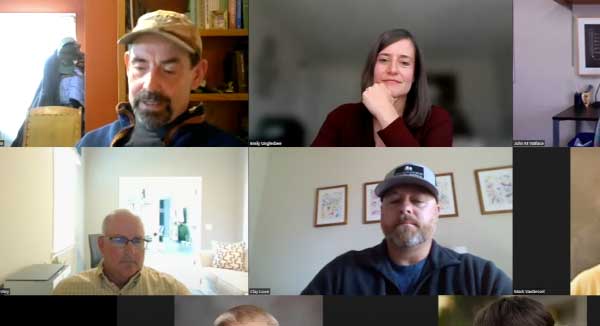
Listen in as a panel of farmers from Wisconsin, Virginia and Pennsylvania discuss their strategies for cover crop termination in the spring, and how they use cover crops to manage weeds on their operations.