
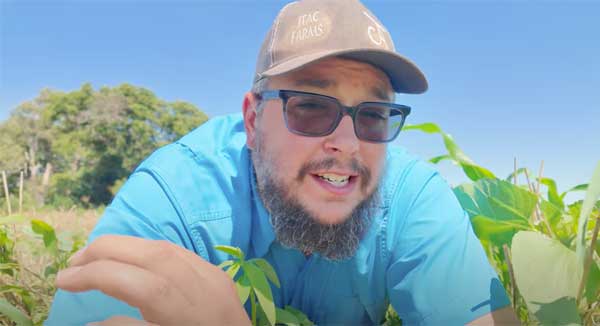
Today we are talking about how we pick out our multi-species cover crop here on JTAC Farms! I have had quite a few requests to walk y’all through our process. First, start out with the “why” or purpose of the cover crop. What is it meant to do? Many times when you answer the “why,” […]
How We Pick Our Multi-Species Cover Crops!
Cropping System: Soybean
Planter Set-up for Planting Green
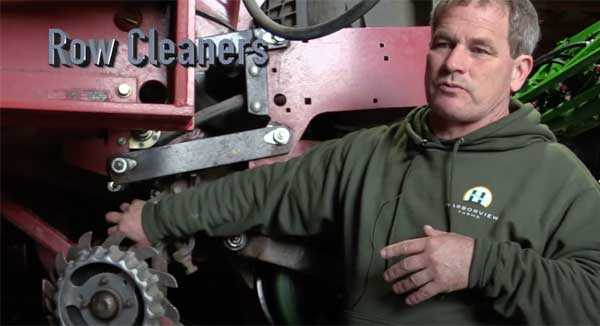
Trey Hill and his staff at Harborview farms in Rock Hall, Maryland have spent a decade fine-tuning their corn and soybean planters to optimize their performance when planting green into high-residue cover crops. Here’s what they’ve learned.
Wildlife Habitat Restoration Transformation
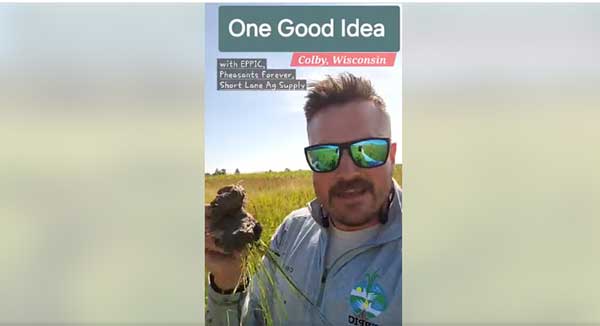
One of our Good Idea Mini-Grant recipient teams – consisting of farmer Larry Oehmichen, the Eau Pleine Partnership for Integrated Conservation, ShortLane Ag Supply, and Pheasants Forever – shows off their progress with their wildlife habitat restoration, which is combatting reed canary grass, an invasive species in Wisconsin, and bringing back native prairie plants. Learn […]
Uncovering the Power of Clover Cover

Interested in diversifying your cover crop mix or exploring the power of clover cover? Episode 61 of the Illinois Nutrient Loss Reduction podcast looks into utilizing clover as a cover crop with Adam Dahmer, farmer from Williamson County in southern Illinois, and Nathan Johanning, Commercial Agriculture Educator with the University of Illinois Extension.
Edge of Field Considerations: A Farmer Perspective
Edge-of-field practices reduce nutrient loss, improve wildlife habitats, and support long-term sustainability. In this episode, farmers Brian Corkill, Brent Fowler, and Jim Fulton from Henry, McDonough, and Livingston counties share their experiences with implementing these conservation practices, offering valuable insights for landowners and farmers.
GROW Farmer Forum on Cover Crop Termination
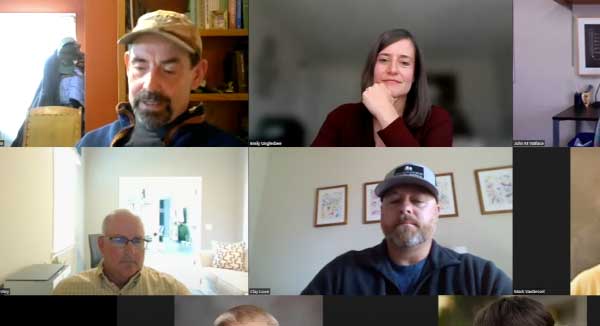
Listen in as a panel of farmers from Wisconsin, Virginia and Pennsylvania discuss their strategies for cover crop termination in the spring, and how they use cover crops to manage weeds on their operations.
Residue Is King
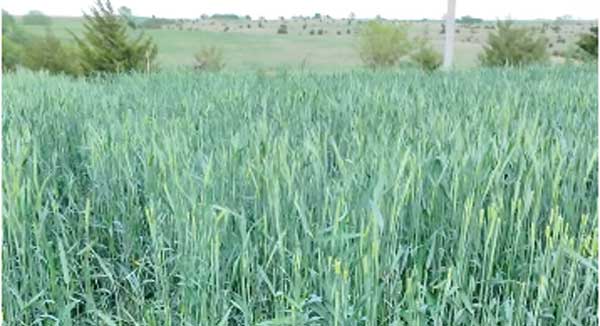
Tyler Tobald of JTAC Farms in Kansas explains why he thinks residue is king. He shows a field where, less than 24 hours after rain, the spots with better residue coverage are still retaining moisture. He explains why he is excited to roller crimp the triticale cover crop he planted as soil armor.
Why Do We Use Triticale Instead Of Rye?
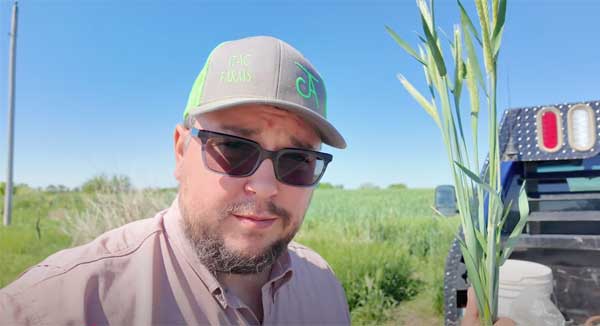
Tyler Tobald of JTAC Farms in Kansas explains why they use triticale instead of rye as a cover crop.
Grazing Cover Crops with Karl Sime and Marie Raboin

Karl Sime of Sime Farms, located near Stoughton, WI, will share information on how he utilizes cover crops for grazing his beef cows. Karl continually strives to improve his management of cover crops for grazing and harvested forage while also growing a grain crop on the same acres within the same cropping year. This method […]
No-Till Farming and Cover Crops with Tom Ripp
Tom Ripp of Ripp-Vale Farms located near Black Earth, WI, will discuss his extensive experience in no-till farming and the utilization of cover crops on his farm. Tom has been practicing no-till for over three decades and incorporated cover crops into his cropping system more than thirteen years ago. His venture into cover crops began […]