
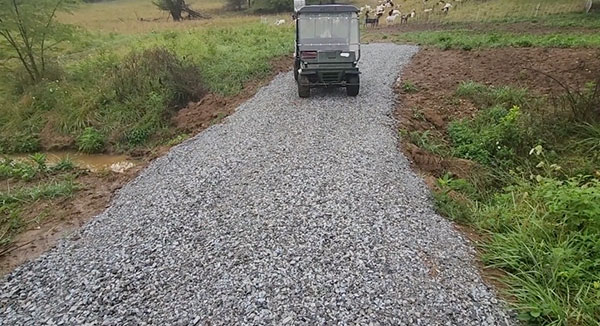
Kentucky producers Cody and Angela Rakes rotationally graze cattle, sheep, and goats. A couple of their pastures get intermittent streams during periods of heavy rain, which presents challenges for moving their animals and equipment. To solve those challenges and prevent erosion and runoff, they built two stream crossings and installed fencing to protect these areas. […]
Installing stream crossings in pastures with intermittent streams
Resource Source: One Good Idea
Turning a Rocky Farm Field into a Prairie
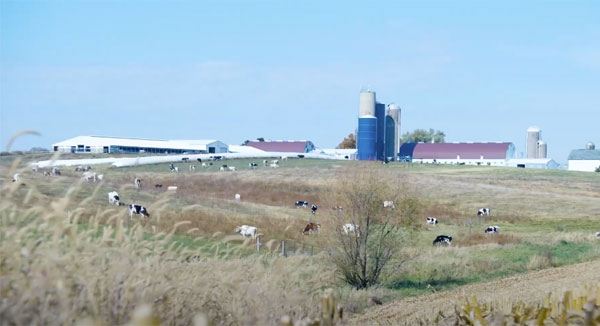
Illinois dairy farmer Lorilee Schultz shares how they turned an unproductive, rocky farm field into a prairie to provide habitat for pollinators. Learn how she acquired, chose, and planted the seed.
Benefits of a Feed Pad on a Rotational Grazing Operation
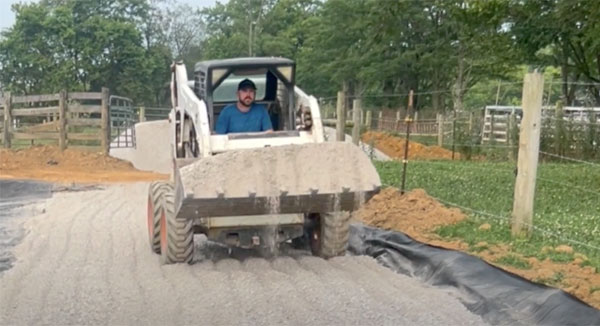
Kentucky producer Ben Robin is turning what was a blank slate of land with resource concerns into a rotationally grazed beef cattle operation. Among the measures he has taken is installing a feed pad to help reduce waste and mud from winter grazing. The practice also helps control erosion and improve local water quality. He […]
A Simple Starter No-Till Set-up
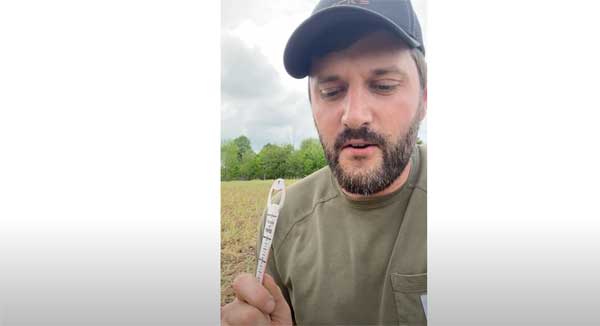
Fifth generation farmer Keith Mears from Indiana explains how he kept it simple in setting up his no-till planter to apply starter fertilizer.
Creating shade and reducing erosion on a grazing operation with silvopasture
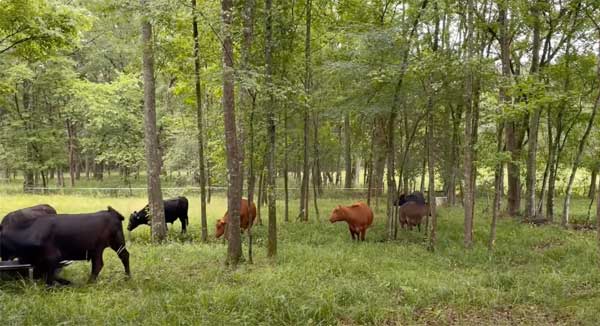
Mississippi producer Johnny Wray uses silvopasture and riparian buffers to create shade for his cattle and reduce erosion on his grass-fed beef operation. Healthier trees, better soil and grass, lumber to sell, and clear water are some of the additional benefits he’s noticed. Here he shares how they implemented the practices on their farm.
How High Hope Farm does rotational grazing
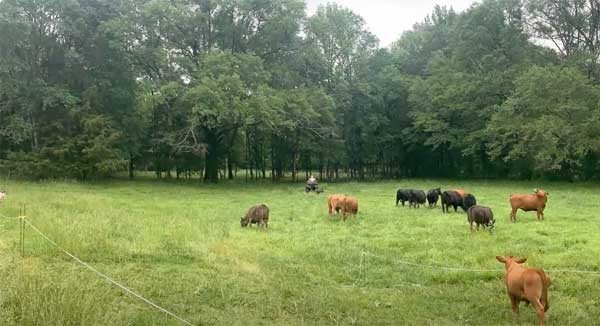
Mississippi producer Johnny Wray raises cattle on 38 acres to sell grass-fed beef locally. He shares how they’ve used intensive, rotational grazing to improve the soil biology and chemistry of their pastures.
In-Furrow and Two-by-Two Systems to Run Starter on a No-Till Planter
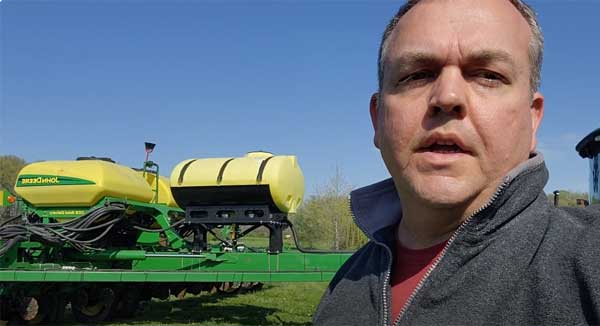
Want to run better no-till corn? Take a tour of Adam Braun’s planter, which he specially rigged to run starter with an in-furrow system and a two-by-two system. Adam runs a corn and soybean operation in Illinois.
High tunnels expand production opportunities in highly erodible landscapes
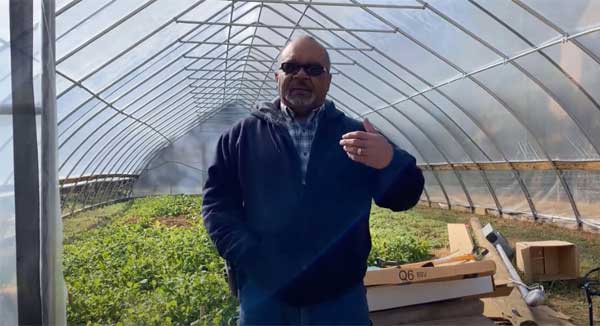
When James Burch took over the family farm in Mississippi after four decades in the Army, he wanted to continue his great-grandfather’s legacy and provide food to the surrounding rural communities, where food access is limited. With the help of high tunnels and a vision, he is bringing life back to the family farm. High […]
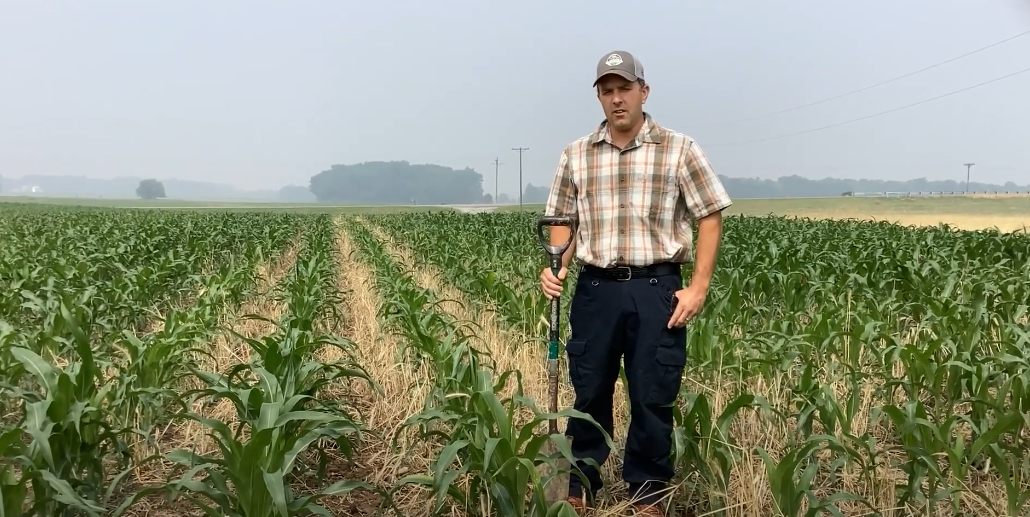
Results of continuous no-till and cover crops in heavy clay soil
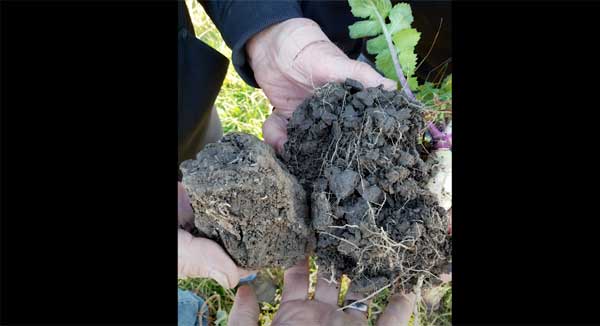
When Matt Burkholder started farming this field in Allen County, Ohio, he had to contend with three wet holes. Fast forward to today, after years of continuous no-till and cover crops in heavy clay soils, those wet holes have disappeared and the soil structure has improved. His story reflects his farm’s motto: “Turning dirt into […]